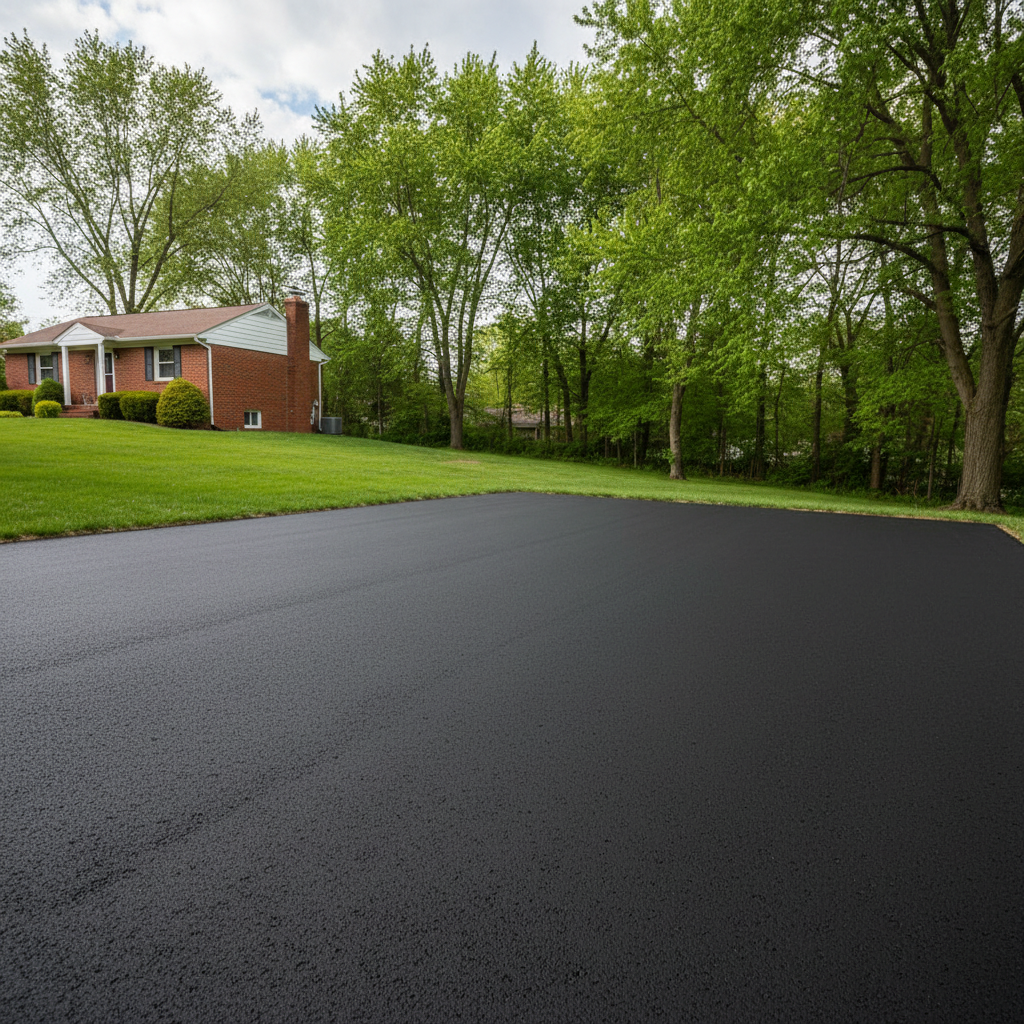
So, you just got your asphalt slurry sealed. Looks great, doesn't it? That deep, dark black really makes everything pop. But here's the thing: a slurry seal isn't some magic, set-it-and-forget-it deal. It's a protective layer, and like any good protection, it needs a little love to actually do its job for years. Especially here in Cleveland, where our winters can be brutal and the freeze-thaw cycles are relentless, proper maintenance is absolutely key to getting your money's worth.
Extending the Life of Your Slurry Seal
The first few days after a slurry seal are super important. You've got to let it cure right. That means keeping traffic off it for at least 24 to 48 hours — sometimes even longer if it's humid or cooler out. Don't rush it, seriously. Driving on it too soon can cause tire marks, scuffs, and might even pull up the fresh material. That would ruin that smooth finish before it even gets a chance to harden.
Once it's cured, start thinking about what you're putting on it. Heavy vehicles, sharp turns, and constant oil drips are the sworn enemies of any asphalt surface, and especially a slurry seal. If you manage a commercial lot, maybe try to direct heavier trucks to areas that aren't slurry-sealed, or to spots designed for more abuse. For driveways, avoid turning your steering wheel when your car is stationary. That just grinds the tires into the surface and can cause scuffing.
Another big one for our area: de-icing chemicals. Salt and other de-icers can be pretty harsh on asphalt over time. While a slurry seal does offer some protection, using too much can still degrade the surface. Try to use sand or more asphalt-friendly de-icers when you can, or just shovel diligently. A good snowblower? That's your friend.
Regular Maintenance: Simple Steps, Big Impact
Keeping your slurry seal in top shape isn't rocket science. It's mostly just common sense and a little bit of vigilance.
- Keep it Clean: Sweep off dirt, leaves, and debris regularly. Organic matter sitting on the surface can trap moisture and encourage moss or weeds to grow, which can eventually break down the seal. Plus, it just looks better, right?
- Address Spills Immediately: Oil, gas, and other automotive fluids are petroleum-based, just like asphalt. They'll soften and dissolve your slurry seal if you let them sit. Blot up spills with absorbent material as soon as you spot them. Don't scrub aggressively; that can actually damage the surface.
- Control Vegetation: Weeds and grass just love to find tiny cracks and expand them. Pull any weeds that sprout up along the edges or through small cracks before they turn into a bigger headache. A little weed killer, applied carefully, can help too.
- Don't Overload: Try to avoid parking extremely heavy equipment or vehicles on your slurry-sealed surface for long stretches. Constant weight can create depressions or cracks.
Warning Signs of Trouble
You'll probably know when your slurry seal is starting to show its age or needs some attention. Keep an eye out for these things:
- Fading Color: That rich black starts to turn gray. This is a natural process from UV exposure, but if it's happening too quickly or unevenly, it might mean premature wear.
- Aggregate Showing Through: The slurry seal should be a smooth, uniform surface. If you start seeing the larger stones of the underlying asphalt pavement poking through, well, the seal is wearing thin.
- Fine Cracking (Alligator Cracking): Small, interconnected cracks that look a lot like alligator skin. This usually means the underlying asphalt is failing, and the slurry seal can only hide it for so long. At this point, you're likely beyond simple maintenance.
- Potholes or Depressions: If potholes or significant depressions start forming, the structural integrity of your pavement is compromised. A slurry seal won't fix these; it needs proper asphalt repair underneath.
- Loose Aggregate: If you're seeing small, loose pebbles on the surface that weren't there before, the slurry is breaking down and losing its binding properties.
When to Call a Professional
Look, I'm a contractor, not a magician. There's a point where DIY maintenance just won't cut it. You should definitely call All Star Asphalt Inc if you see:
- Widespread Cracking: More than just a few isolated hairline cracks. If your entire driveway or lot is spiderwebbed, it's time for an assessment.
- Significant Potholes or Depressions: These need proper patching and possibly an overlay or full replacement, not just another layer of slurry.
- Drainage Issues: If water is pooling excessively on your pavement, that's a structural problem that needs expert attention. Standing water accelerates deterioration like crazy, especially with our Cleveland winters.
- Repeated Failure: If you've had a slurry seal done recently and it's failing prematurely despite your best efforts, something might be wrong with the original application or the underlying pavement. Get a professional opinion.
- You're Unsure: Don't guess. If you're seeing something weird and you're not sure if it's a big deal, just give us a call. It's always better to catch small problems before they become huge, expensive ones. We've seen it all, from the East Side's older, clay-heavy soils causing issues to the West Side's more stable ground. Every property is a little different, you know?
A well-maintained slurry seal can add years of life and curb appeal to your asphalt. A little effort now saves you a lot of money down the road. Keep an eye on it, keep it clean, and don't hesitate to reach out to us at All Star Asphalt Inc if you think you've got a bigger problem brewing.