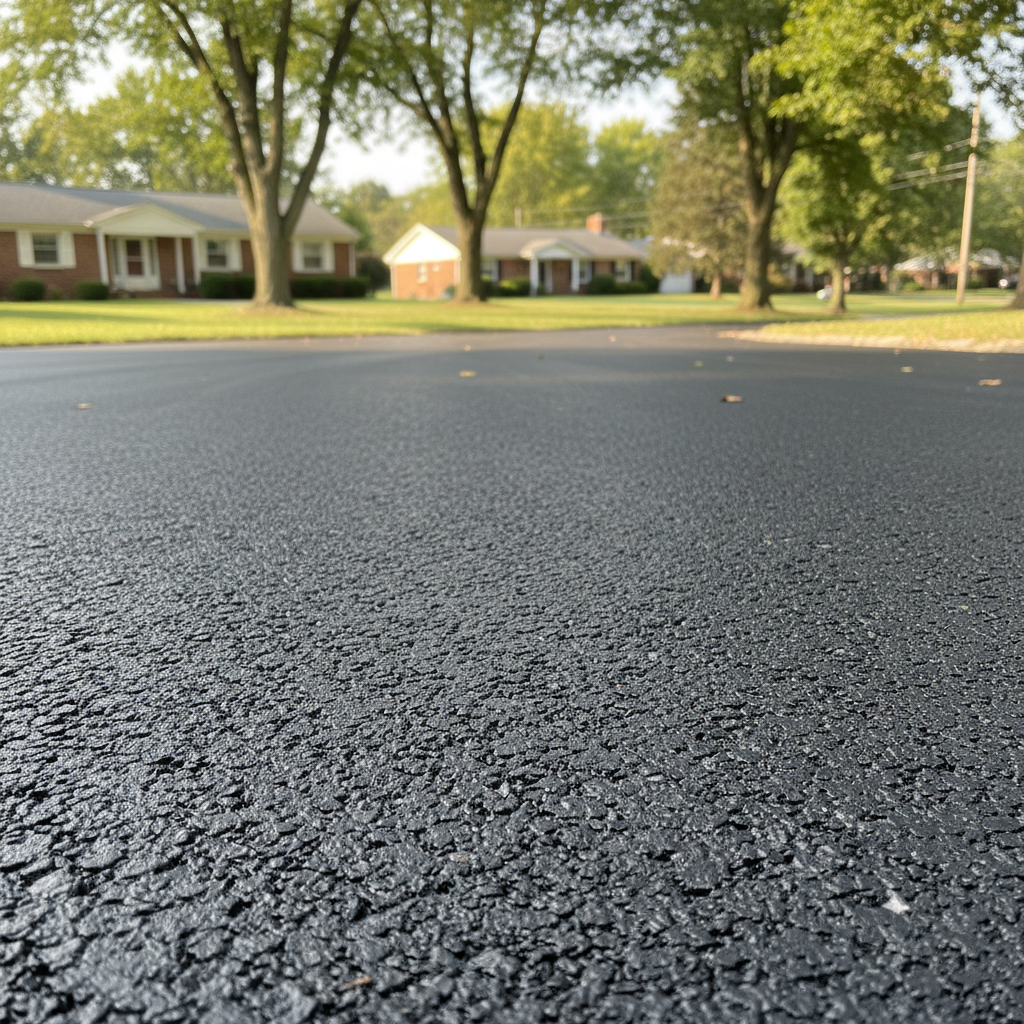
Thinking About Commercial-Grade Asphalt for Your Home?
You’ve seen commercial asphalt parking lots – they’re built tough, designed to handle heavy traffic and last a long time. Maybe you’re wondering if that kind of durability makes sense for your own driveway or a larger paved area on your property here in Cleveland. It’s a good question, and the answer isn't always a simple yes or no. Let's break down what you need to know.
Before the Project: Planning and Prep
First off, understand that “commercial-grade” usually means a thicker, more robust asphalt mix and a deeper, more stable base. For a typical residential driveway, you might get 2-3 inches of asphalt over 4-6 inches of gravel. For a commercial lot, you're often looking at 3-4 inches of asphalt over 8-12 inches of compacted base. That’s a big difference in materials and labor.
Can you do some of the prep yourself? Sure, if you're handy and have access to equipment. You could:
- Clear the area: Remove old pavement, debris, or vegetation. This is hard work, but doable.
- Excavate: Dig out the area to the proper depth for your base and asphalt. You’ll need to rent an excavator or bobcat for anything beyond a small patch.
- Establish drainage: This is critical, especially with our lake-effect snow and heavy spring rains here in Northeast Ohio. Water needs to go somewhere, or it'll undermine your pavement. You might be able to lay some drainage pipe or grade the area yourself, but getting the slope just right for proper runoff without creating new problems is tougher than it looks.
Here’s where you probably need a pro even before the asphalt truck shows up: Subgrade preparation and base installation. The ground underneath everything needs to be stable and compacted properly. If your subgrade isn't right, your asphalt will crack and fail prematurely, no matter how thick it is. We’ve seen it a thousand times. Getting the right aggregate base material, laying it down evenly, and compacting it to spec takes specialized equipment and experience. You can rent a plate compactor, but for a large area, you’ll need something heavier duty.
During the Project: Laying the Asphalt
This part? Leave it to the pros. Seriously. Laying asphalt isn't a DIY job for anything bigger than a small patch. Here’s why:
- Heat and speed: Asphalt arrives hot – around 300 degrees Fahrenheit. It cools fast. You need to spread it and compact it quickly and efficiently before it hardens.
- Specialized equipment: You need an asphalt paver for an even surface and heavy rollers (like a vibratory roller) for proper compaction. These aren't tools you just pick up at Home Depot.
- Expertise: Getting the right thickness, consistent compaction, and a smooth, level finish takes years of practice. If it's not done right, you'll have dips, bumps, and areas that will wear out fast.
When you hire a company like All Star Asphalt Inc., we’re bringing in a crew that does this every day. They know how to handle the material, operate the machinery, and ensure a quality finish that will stand up to Cleveland's freeze-thaw cycles.
After the Project: Maintenance for Longevity
Once your asphalt is down, whether it’s residential or commercial grade, maintenance is key to making it last. This is where you can definitely get your hands dirty and save some money.
- Keep it clean: Sweep off dirt, leaves, and debris regularly. Don’t let oil or gas spills sit – clean them up immediately. They break down the asphalt binder.
- Sealcoating: This is a big one. Sealcoating every 2-3 years protects your asphalt from UV rays, water penetration, and chemical spills. You can buy sealcoat and apply it yourself with a squeegee or sprayer. It’s a messy job, but totally doable for a homeowner. Just make sure the surface is clean and dry first.
- Crack filling: Small cracks will appear over time. Fill them promptly with a good quality crack filler. This stops water from getting underneath and freezing, which leads to bigger potholes. You can get crack filler at most hardware stores and apply it with a caulk gun or pour it directly into the crack.
- Address drainage: Make sure downspouts aren't dumping water directly onto the asphalt, and that any existing drains are clear.
So, while the heavy lifting of laying a commercial-grade asphalt surface is definitely a job for professionals, you can certainly handle a lot of the initial site prep and, more importantly, the ongoing maintenance that will extend the life of your investment. Don't skimp on the base, and don't try to pave it yourself. But once it's in, you've got a strong, durable surface that'll serve you well for years.