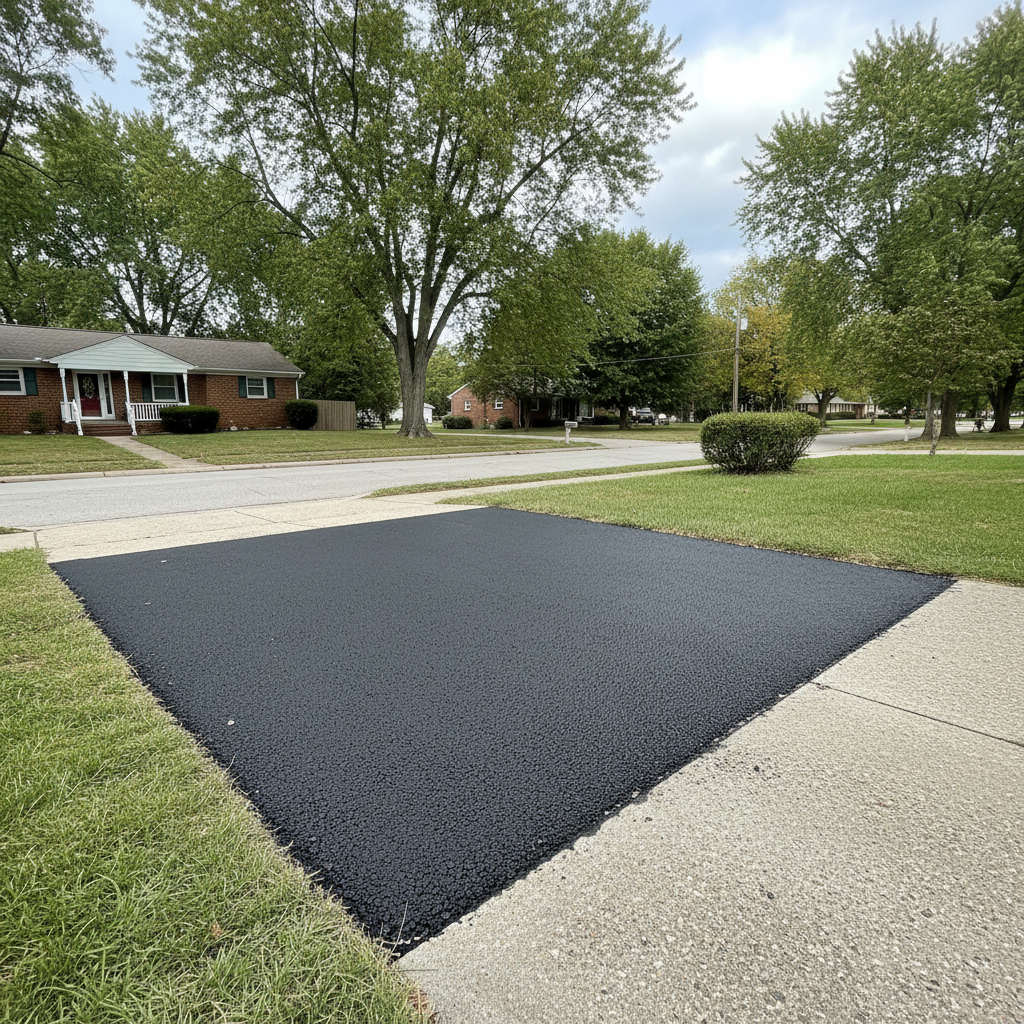
Got cracks, potholes, or just some worn-out spots on your asphalt driveway or parking area? It's an eyesore, and you know it needs fixing. So, naturally, you start looking into asphalt patching. Good for you for being proactive! But before you pick up the phone or sign on the dotted line, let me tell you, I've seen homeowners around Cleveland make some real head-scratching mistakes when it comes to patching. And these aren't just minor oopsies; they can cost you big bucks and leave you with a patch job that looks even worse than the original damage.
Ignoring the Real Reason for the Damage
This is probably the biggest one, honestly. You see a pothole, you want it filled. Simple, right? Not always. A pothole or a serious crack isn't just a surface issue; it's often a symptom of a deeper problem. Maybe your sub-base, that gravel layer underneath the asphalt, isn't stable. Or perhaps you've got drainage issues, and water is constantly undermining your pavement. Here in Cleveland, with our crazy freeze-thaw cycles and clay soils, water penetration is a huge culprit. If you just patch over the problem without addressing why it happened in the first place, that patch is nothing more than a temporary band-aid. It'll fail, and you'll be patching it again, and again, and again. A good contractor, like us at All Star Asphalt Inc, will always ask about the history of the damage and check the surrounding area for signs of water problems or base failure. Don't let someone just slap some hot mix in there and call it a day if they haven't looked into the 'why'.
Picking the Wrong Way to Patch It
Not all patches are created equal, you know. There are different methods, and what works for a small, shallow crack isn't going to cut it for a deep, wide pothole. You've got things like:
- Skin Patching: This is literally just laying a thin layer of asphalt over the damaged area. It's cheap, it's fast, and it's almost always temporary. It often looks like a lump and can peel off quickly.
- Throw-and-Roll: This means filling a pothole with cold mix or hot mix and then compacting it. Better than skin patching, sure, but if the edges aren't cut clean and the base isn't solid, it won't last.
- Cut-and-Patch (Full-Depth Repair): This is the gold standard for significant damage. You cut out the damaged section, dig down to a stable base, repair or replace the base, and then lay new asphalt. It's more involved and costs more upfront, but it lasts.
Homeowners often go for the cheapest option without really understanding its limitations. You need to ask your contractor what method they're proposing and why. If they can't explain it clearly, or if they're pushing a cheap skin patch for a serious problem, that's a red flag. What are they hiding?
Hiring the Cheapest Bid Without Doing Your Homework
I get it, everyone wants a good deal. But when it comes to asphalt, the cheapest bid is often the most expensive in the long run. I've seen plenty of fly-by-night operations come through Cleveland, especially after a rough winter. They'll knock on your door, offer a ridiculously low price, and promise the moon. They might use inferior materials, cut corners on preparation, or just plain disappear after they get your money. You're left with a shoddy job and no recourse.
Always, and I mean always, get multiple quotes. But don't just compare prices. Compare:
- What's included: Are they addressing the base? What kind of asphalt are they using?
- References: Ask for them! And actually call them.
- Insurance and Licensing: Make sure they're properly insured and licensed to work in your area. You don't want liability if someone gets hurt on your property.
- Experience: How long have they been in business? Do they specialize in asphalt?
- Warranty: What kind of guarantee do they offer on their work?
A reputable contractor won't mind you asking these questions. If they get defensive, walk away. The longevity of your pavement is worth more than saving a few bucks upfront on a bad job.
Not Understanding the Scope of Work
This goes hand-in-hand with the previous point. You need a clear, written estimate that details exactly what the contractor will do. Not just