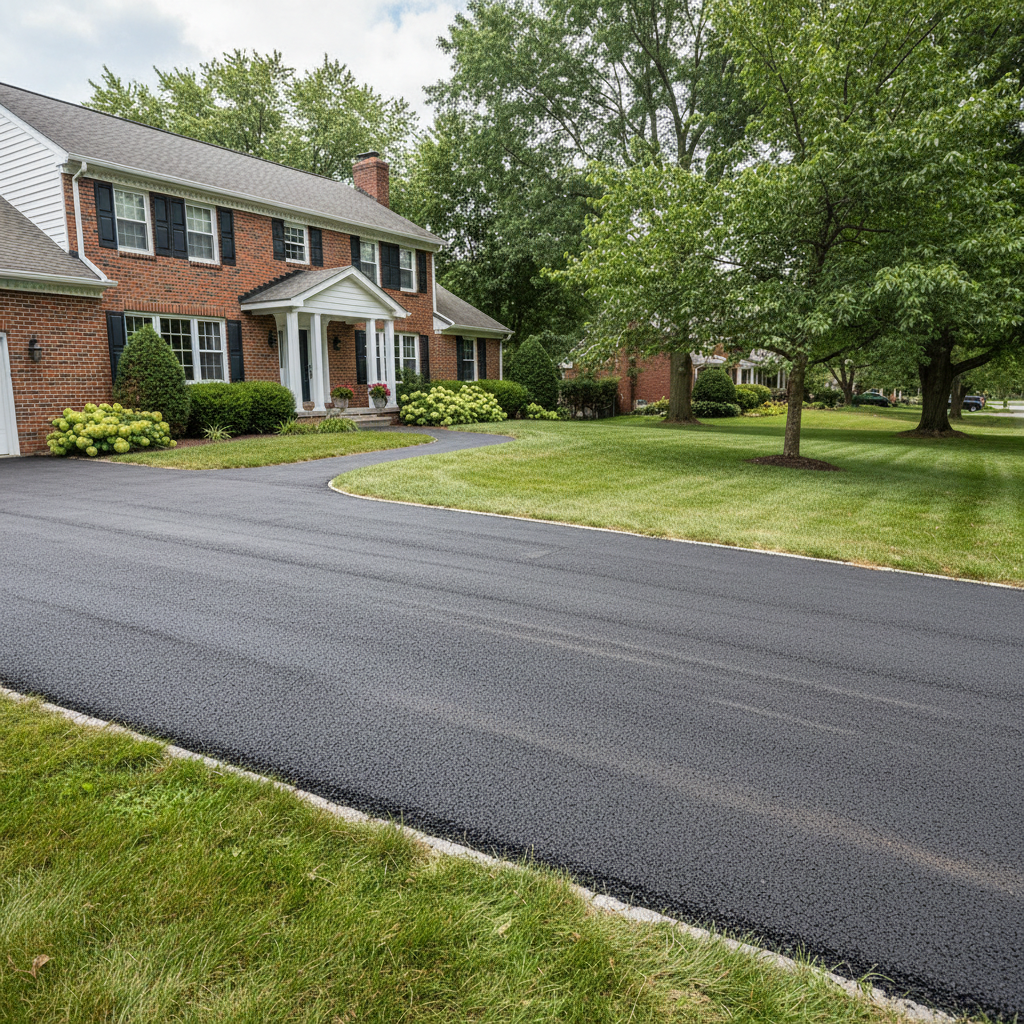
So, you've got a milled asphalt surface. Maybe it's your driveway, a parking lot, or even a private road. Milling is a smart way to get a fresh start without paying for a brand-new pavement entirely. We've done plenty of milling projects all over Cleveland, from the industrial areas near the Flats to residential streets in Shaker Heights. But just like any good investment, it needs a little looking after. You can't just mill it and forget it, especially not with the kind of winters we get here in Northeast Ohio, can you?
Extending the Life of Your Milled Surface
The biggest thing you can do to make your milled asphalt last is protect it from water and traffic. Milling leaves a rougher surface than new asphalt, which is great for traction. But that also means there are more nooks and crannies for water to get into. That's why sealing is so important. We recommend waiting about 30-90 days after milling to let the surface cure properly, then get a good quality sealcoat applied. This isn't just about making it look pretty; it's a protective barrier against UV rays, chemicals, and, most importantly, water penetration. Think of it like putting a good wax on your car – it's not just for shine, it's for protection.
Drainage is another big one. If you've got standing water on your milled surface, you've got a problem. Water is asphalt's enemy, milled or otherwise. Make sure your gutters are working, downspouts are directed away, and any low spots that collect water are addressed. If you see puddles that stick around for more than a few hours after a rain, that's definitely a red flag.
Finally, watch your heavy loads. While milled asphalt is tough, repeatedly driving heavy trucks or equipment over the same spots, especially when the ground underneath might be soft from rain or thaw, can cause premature wear and even rutting. Try to vary traffic patterns if you can.
Regular Maintenance: What You Should Be Doing
Maintenance for a milled surface isn't rocket science, but it does require some consistency. Here's what I tell my clients:
- Keep it Clean: Sweep off dirt, leaves, and debris regularly. This stops organic matter from breaking down and holding moisture against the surface. Plus, it helps you spot problems early.
- Sealcoating: As I mentioned, it's crucial. After that initial seal, plan on resealing every 2-3 years. This frequency might vary depending on traffic volume and sun exposure. A good sealcoat contractor, like us at All Star Asphalt Inc, can give you a solid recommendation.
- Crack Sealing: Even with sealcoating, cracks can appear. It's inevitable with our freeze-thaw cycles. Small cracks, less than about a quarter-inch wide, should be cleaned out and filled with hot rubberized crack filler as soon as you notice them. This stops water from getting underneath and causing bigger issues.
- Edge Repair: The edges of your milled surface are often the weakest points. If you see crumbling or deterioration along the edges, get it patched quickly.
Warning Signs of Problems
You don't need to be an expert to spot trouble. Just keep an eye out for these things:
- New Cracks or Widening Cracks: Especially alligator cracking (a pattern of interconnected cracks that resemble alligator skin). This is a sign of base failure underneath.
- Potholes: These start small and grow fast. They're a clear indication that water has gotten in and damaged the base.
- Raveling: This is when the aggregate (the small stones) starts to come loose from the surface. It makes the surface look rougher and can lead to more serious issues.
- Rutting or Depressions: If you see tire tracks or dips forming in the pavement, it means the underlying base isn't holding up to the traffic.
- Drainage Issues: If water is pooling where it didn't before, or if puddles are getting larger, you've got a problem that needs attention.
When to Call a Professional
Look, some things you can handle yourself, like sweeping or maybe even a little crack filling if you're handy. But for anything beyond that, you really should call in a pro. Here's when you definitely need us:
- Extensive Cracking: If you've got a lot of alligator cracking or cracks that are wider than a quarter-inch, you're looking at more than just a surface issue.
- Potholes: While you can temporarily fill a pothole, a professional repair will address the underlying cause and ensure it doesn't come back quickly.
- Base Failure: If you see significant rutting, depressions, or areas where the pavement is sinking, that's a structural problem. We'll need to assess the base and likely do some deeper repairs.
- Drainage Corrections: Re-grading or installing new drainage solutions is definitely a job for experienced asphalt contractors.
- Large-Scale Sealcoating or Patching: For bigger areas, or if you want the job done right and to last, it's always best to have a professional apply sealcoat or perform larger patches. We've got the right equipment and materials to ensure a quality finish.
Don't wait until a small problem becomes a huge, expensive headache. A little proactive maintenance goes a long way in keeping your milled asphalt surface in top shape for years to come.